There are no items in your cart
Add More
Add More
| Item Details | Price | ||
|---|---|---|---|

If you analyze the UPSC ISS Paper 1 (Probability and Distribution), you will notice a trend that many aspirants overlook. While everyone is busy worrying about Numerical Analysis, there is a silent "Rank Decider" hiding in plain sight: The Computer Section.
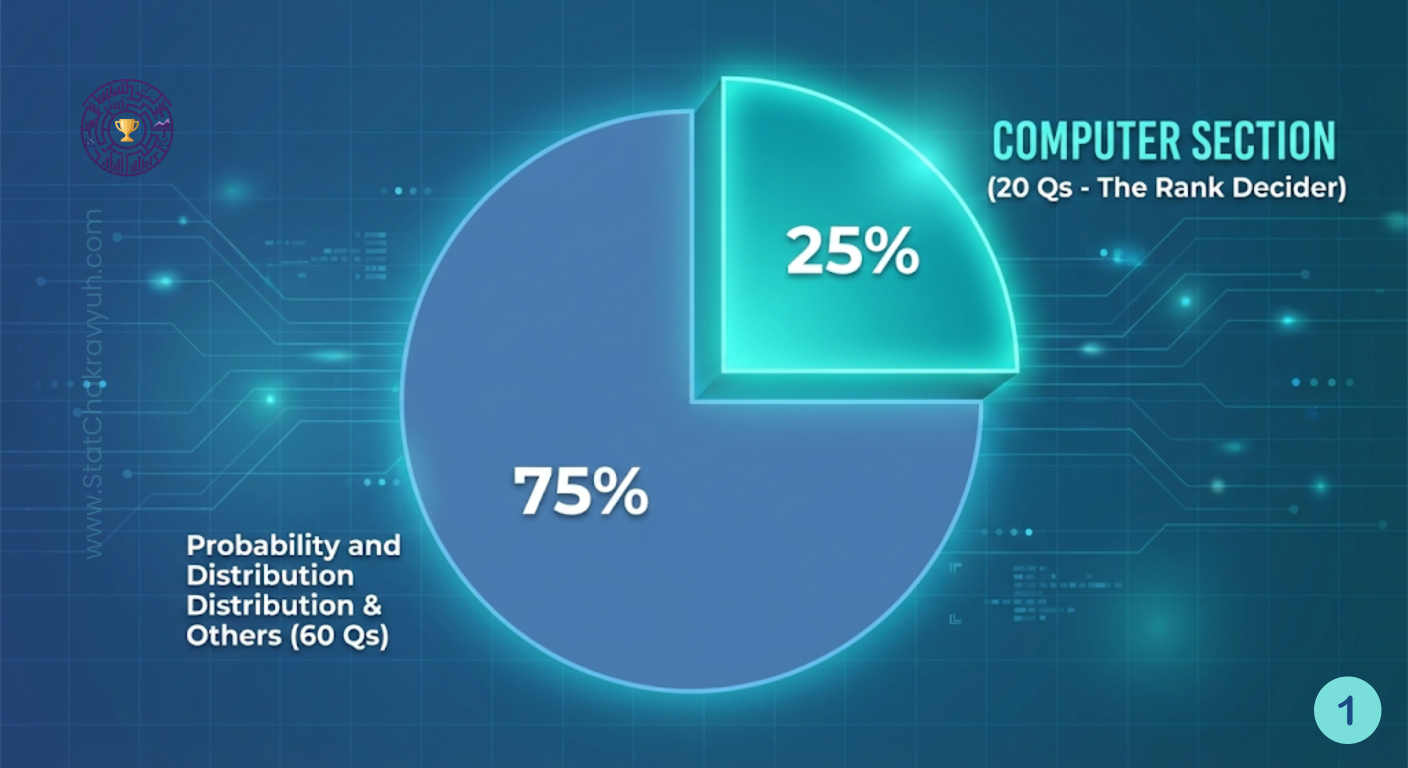
Roughly 20 out of 80 questions in Paper 1 come from Computer & Computational Techniques. That is a massive 25% weightage.
Yet, most aspirants struggle here. Not because the questions are difficult coding problems—they aren't. The real problem is that Computer is a "reading subject" that feels scattered. Students often don't know where to read from, how much to read, or how to tackle it without getting bored.
At StatChakravyuh, we have decoded the last 10 years of papers to bring you a focused, streamlined strategy. Here is how you can master this section efficiently.
##APP##
01. The Mindset: It’s About "Awareness," Not "Coding"
Let’s clear a misconception immediately: You do not need to be a programmer. You don't need to write code. You don't need to learn complex syntax.
The exam demands Computer Awareness. The syllabus is vast, but the questions follow a specific pattern. Your goal is to move from "random reading" to "targeted preparation.
"The Realistic Target: Out of 20 questions, aiming for 100% accuracy is impractical and risky. A Smart Strategy is to target 12-14 correct answers with high accuracy. If you achieve this while others are skipping this section, you automatically gain a significant lead in Paper 1.
02. Decoding the Syllabus (What Actually Comes in the Exam?)
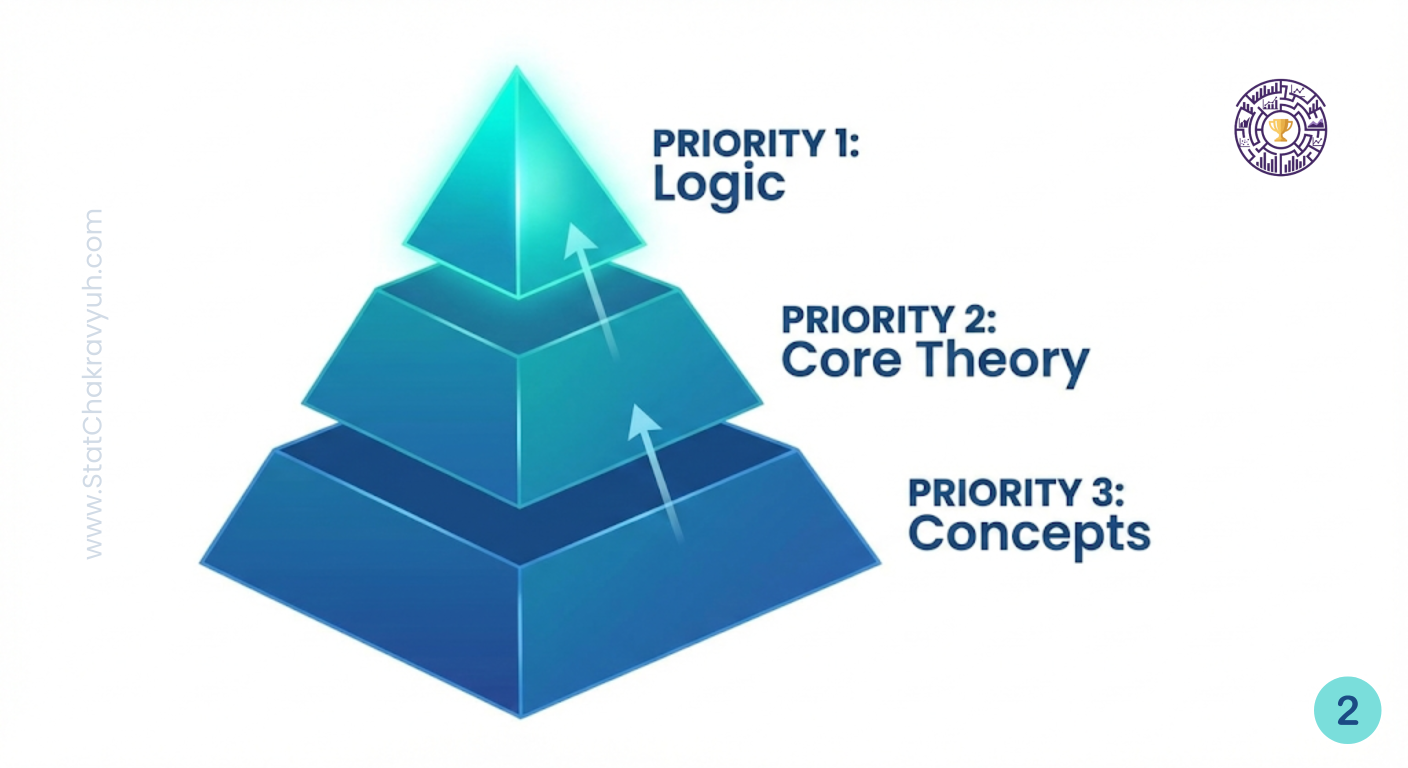
Instead of reading a book cover-to-cover, prioritize your study based on past trends:
Priority 1: The High-Scoring Topics (Do These First)
These topics are logical and conceptual. Once you understand them, the marks are yours.
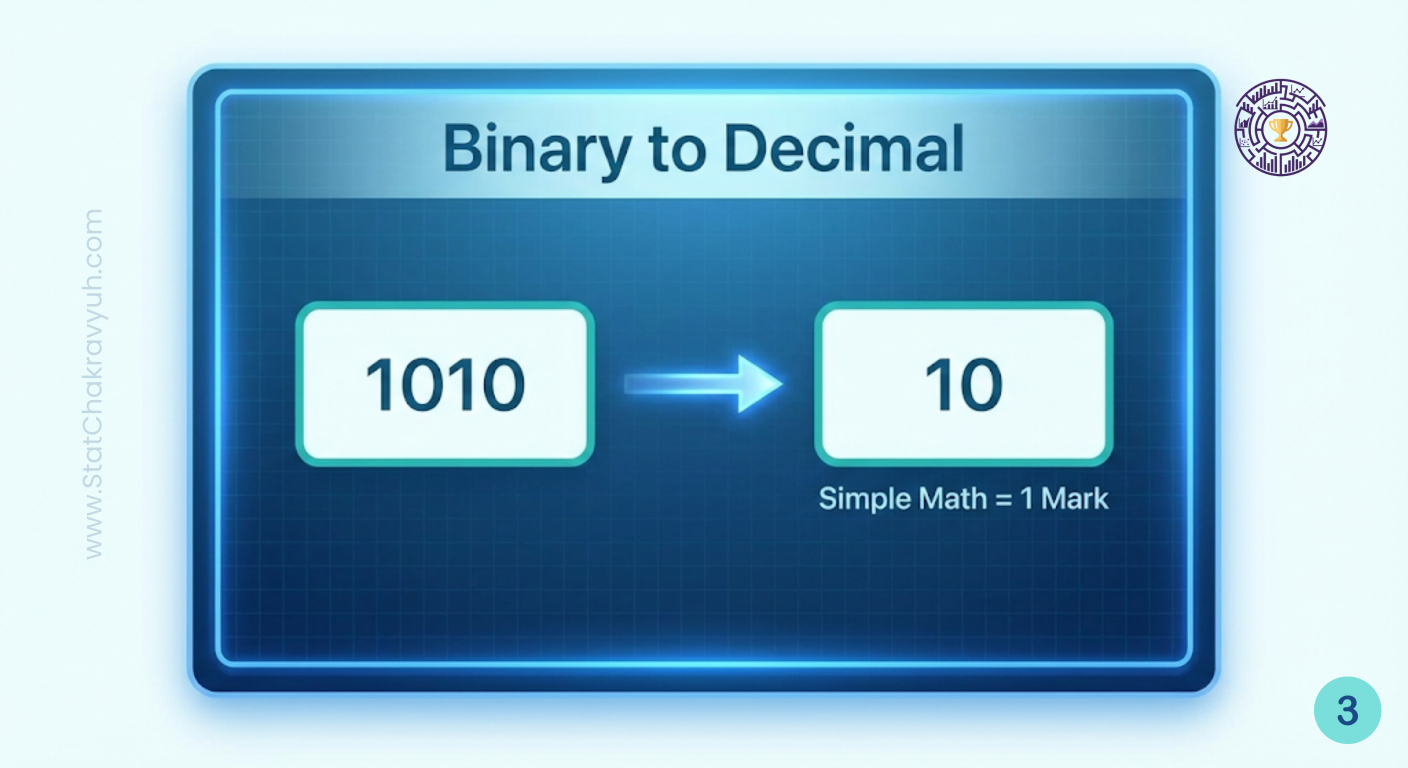
Priority 2: The Core Theory (Requires Reading)
These are the descriptive topics. You need to focus on definitions and functions.
Priority 3: Programming Concepts (Logic Only)
Don't memorize code. Understand the logic behind it.
while vs do-while).##ISS##
03. The "Filtered" Resource List
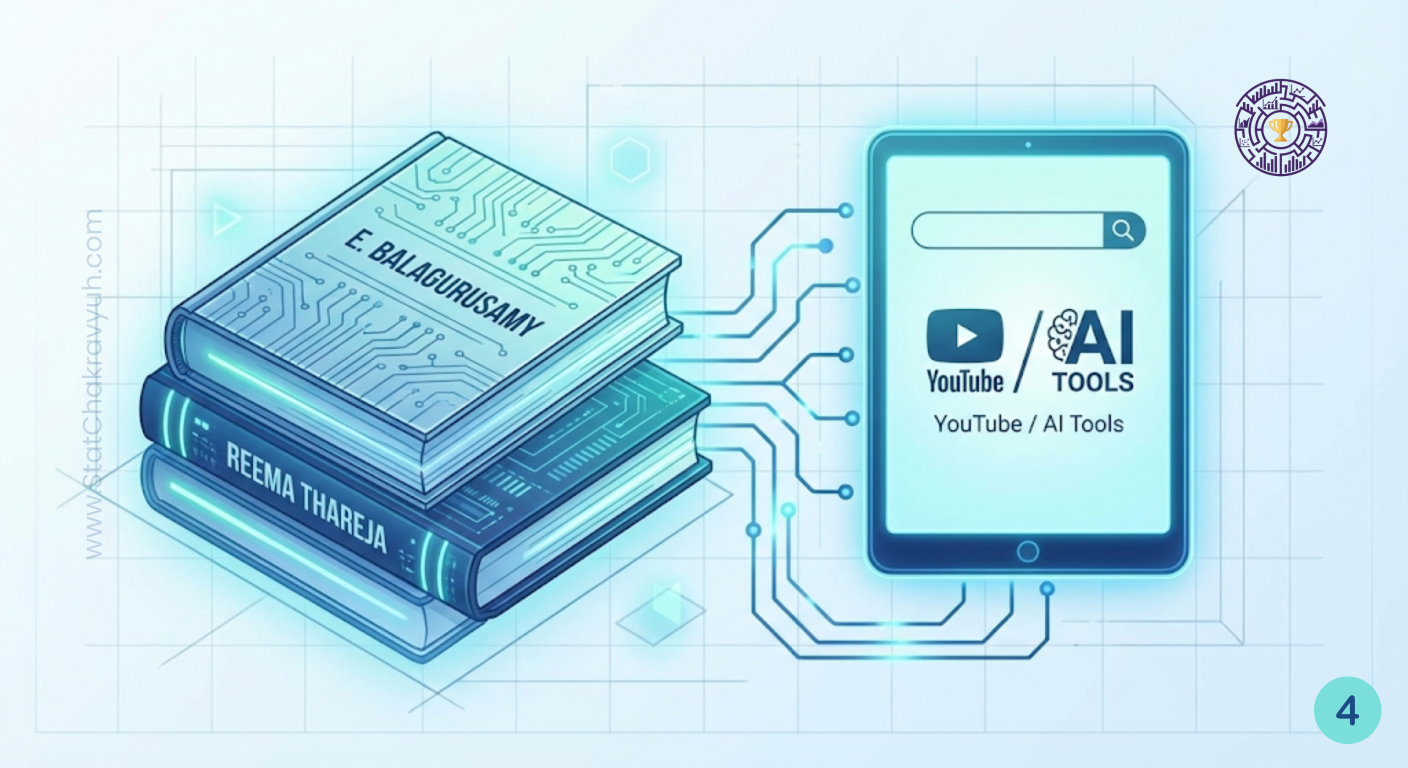
One of the biggest hurdles is choosing the right material. You don't need to read everything. Here is the breakdown:
A. Primary Source: Fundamentals of Computers by E. Balagurusamy
This book is excellent for the theory portion. Focus only on these chapters:
B. Supplement Source: Computer Fundamentals by Reema Thareja
Use this book specifically for the topics that need better logical explanation:
break vs continue).C. Smart Tools
04. The "Option Analysis" Technique
This is the secret sauce for UPSC ISS. When solving Previous Year Questions (PYQs), don't just mark the right answer and move on.
The Computer section in Paper 1 is manageable if you respect the syllabus and limit your resources. You don't need to be an expert; you just need to be strategically aware.
Invest 15-20 minutes in the exam hall on this section with the right preparation, and it will serve as a strong pillar for your overall Paper 1 score.
Need a structured plan? At StatChakravyuh, we are committed to simplifying your ISS journey. We are working on curated notes and 'Question of the Day' series to help you revise these concepts effortlessly.
All the best for your preparation!
##LINKS##
 Launch your Graphy