There are no items in your cart
Add More
Add More
| Item Details | Price | ||
|---|---|---|---|

WHY ?
Is it because they didn't study enough? Usually, no. The problem isn't a lack of effort; it's a lack of direction. After mentoring many students and analyzing the pattern, I have realized that most aspirants fall into the same traps.
##APP##
01.

This is the most common mistake. Aspirants often try to prepare for UPSC ISS, CSIR NET, GATE, and RBI DSIM simultaneously.
The Problem: While the syllabus might overlap slightly, the approach for each exam is completely different. ISS requires descriptive depth, while NET/GATE requires conceptual shortcuts.
The Fix: Pick your battle. If your dream is to serve the nation as an ISS officer, give it your 100% focus. Don't treat it as a "backup" option.
02.
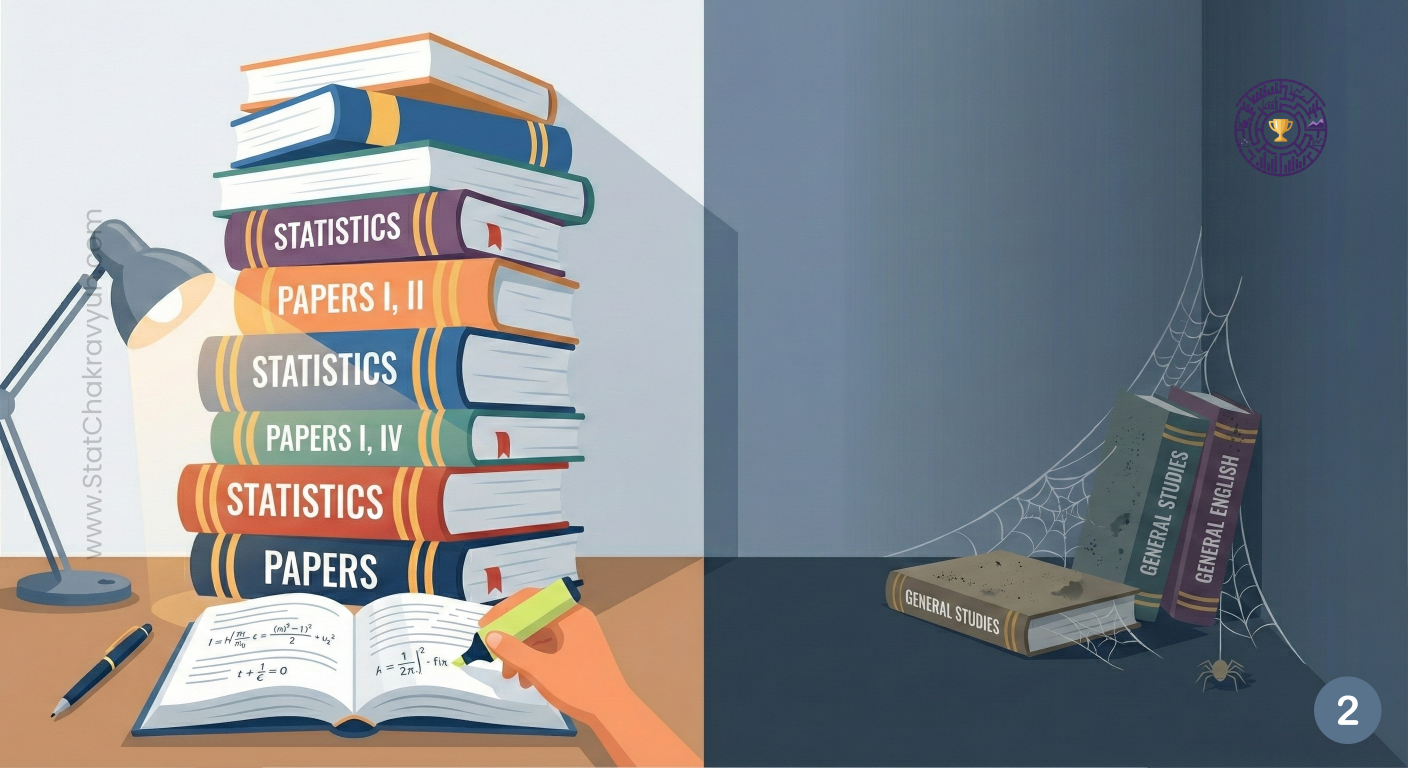
Many Statistics students love numbers but dread General Studies and English. They think, "I will cover this in the last month."
The Problem: In the final merit list, even a 5-mark difference changes your service allocation. If you score high in Stats but fail to clear the cutoff or score low in GS/English, your Stats knowledge is wasted.
The Fix: Dedicate at least 1 hour daily to newspapers and basic English grammar. Treat these papers as your "rank boosters," not burdens.
03.
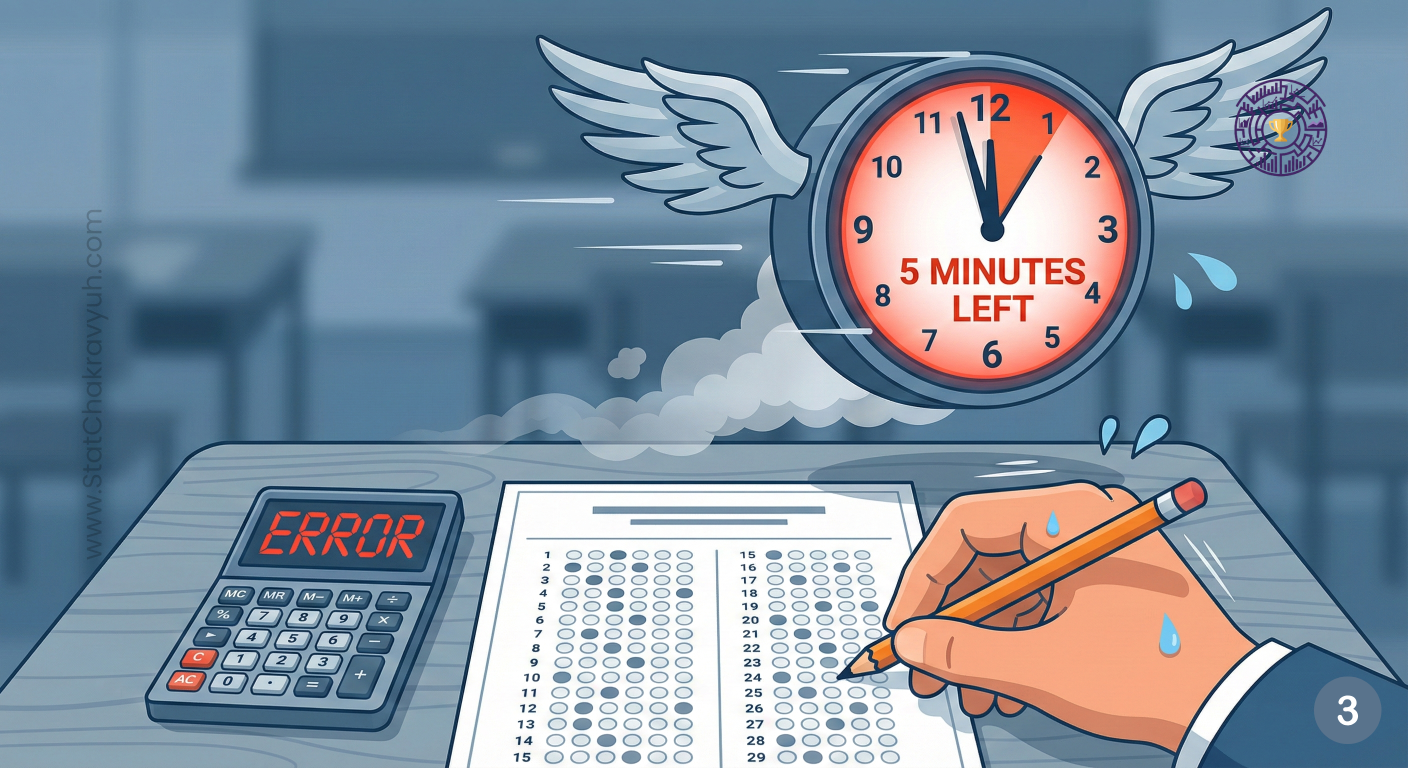
You might know the derivation of every theorem, but Papers 1 and 2 are a race against time.
The Problem: 80 questions in 120 minutes means you have less than 2 minutes per question. Students often get stuck on one calculation and lose time.
The Fix: You don't need to know everything; you need to know how to solve it fast.
##ISS##
04.

There is a massive difference between understanding a concept and writing it on an A4 sheet under exam pressure.
The Problem: Most aspirants just read books. In the exam hall, they struggle to structure their answers, forget key steps, or run out of time.
The Fix: Start answer writing today. Don't wait for the syllabus to finish. Write one answer daily to build muscle memory.
05.
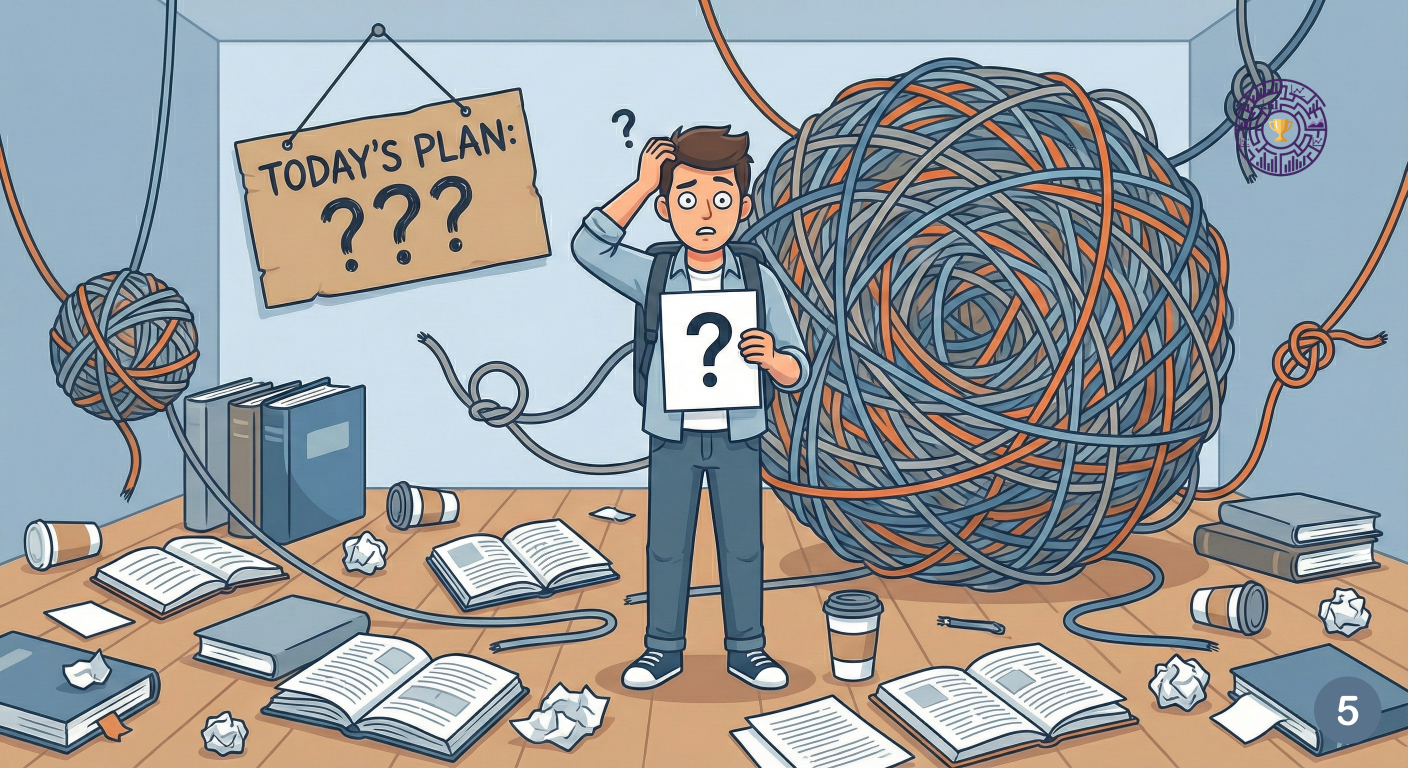
Waking up and studying "whatever you feel like" is a recipe for disaster.
The Problem: Without a roadmap, you will spend too much time on easy topics and miss the high-weightage ones.
The Fix: Create a weekly schedule. Break down the vast syllabus into small, achievable targets.
06.

Balancing a 9-to-5 job or a demanding PhD schedule with UPSC prep is challenging, but absolutely manageable with the right strategy.
The Problem: Many working aspirants and PhD scholars try to match the study volume of full-time students, often forcing 6–8 hours at night, resulting in exhaustion and eventual burnout.
The Fix: Consistency > Intensity. Study 3-4 quality hours on weekdays and maximize your weekends.
PhD students should follow a task-based schedule instead of hourly targets, because research timelines fluctuate.
You need a streamlined plan that cuts out the noise—something our tailored test series schedules help you with.
07.
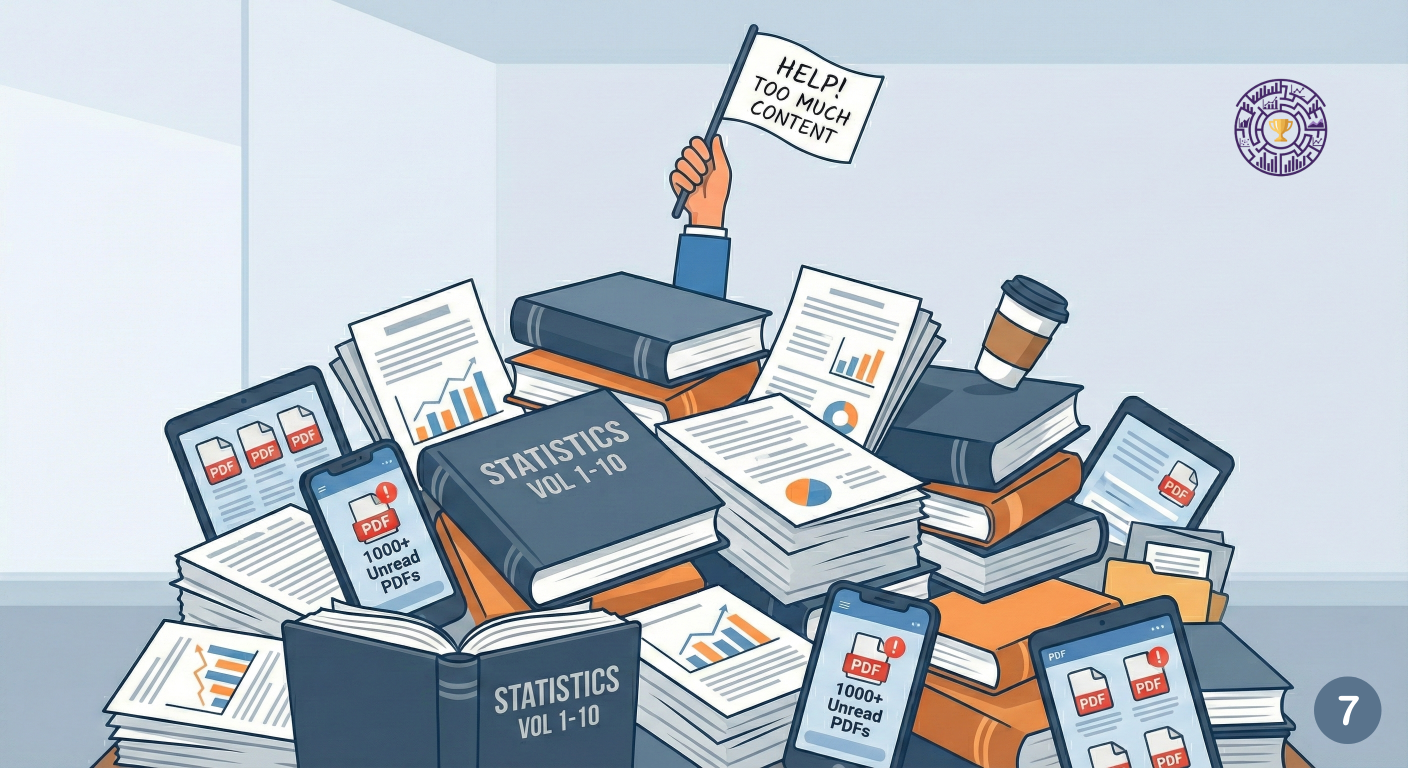
We live in the age of information. Telegram channels and drive links are flooded with thousands of PDFs.
The Problem: "Collecting" material gives you a false sense of satisfaction. You end up with 10 books but finish none of them.
The Fix: Stick to standard resources. Follow one mentor, one set of notes, and one quality Test Series. Trust your resources.
Cracking UPSC ISS is not just about intelligence; it is about discipline and strategy. Don't let these common mistakes cost you a year of your life.
If you are looking for a disciplined roadmap to fix these gaps—especially Speed in Objective papers and Structure in Subjective answers—check out the StatChakravyuh Test Series. We don't just give you questions; we simulate the actual exam pressure so you don't panic on the final day.
##LINKS##
 Launch your Graphy